
Lamesa Kitchen
May 17, 2026
“Transforming spongy air pockets into velvety conduits of deep earth. Steamed gently to yield a melt-in-your-mouth luxury.”
The Soul: The Tender Purple
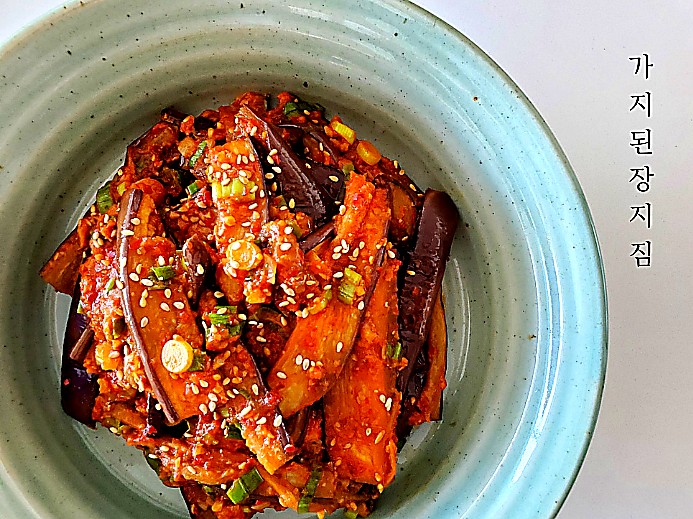
“Gaji Doenjang Jjim is a masterwork of rustic comfort. Eggplant is often criticized for becoming spongy or watery. But when cut into thick, sturdy pillars, lightly scored, and gently steamed in an earthy, deeply savory Doenjang (Korean fermented soybean paste) glaze, it transforms. The spongy cells soak up the complex, umami-rich soy paste, collapsing into an incredibly melt-in-your-mouth, velvety texture that carries the deep, grounding aromas of the Korean countryside.”
Eggplant is traditionally a summer crop, but in modern gastronomy it has taken on a premium status due to its unmatched molecular capacity to act as a liquid vehicle. By steaming the vegetable, we bypass oil completely, allowing the true, delicate botanical essence to merge with the heavy fermented paste.
Process 01: Proper Scoring - Scoring the vibrant purple skin in a cross-hatch pattern to allow steam and glaze penetration.
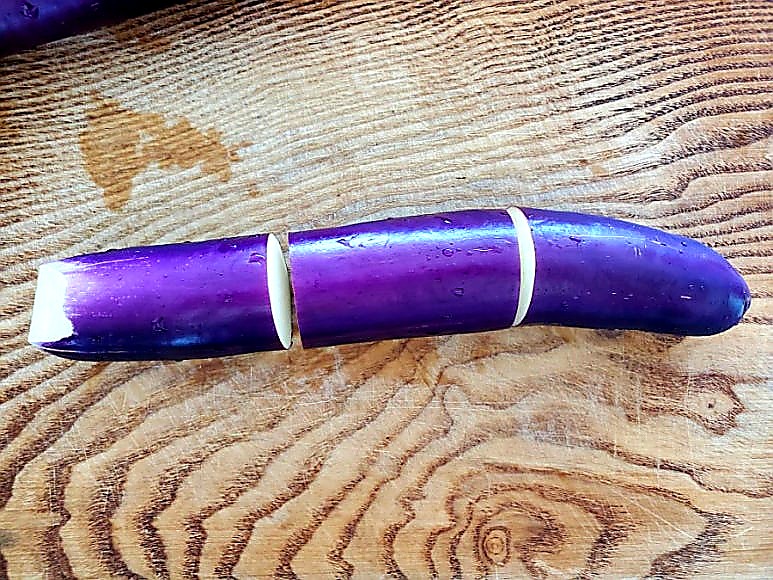
Process 02: Pillar Cutting - Cutting the scored eggplant into thick, even 5cm pillars to maintain structural integrity.
Cultural Heritage: Onggi Fermented Jar Wisdom
“In traditional Korean homes, eggplant (gaji) is a classic summer botanical. Doenjang, fermented for months in dark earthenware jars (onggi) under the sun, is the deep, life-giving seasoning of the Korean table. Steaming them together represents the quiet, humble alchemy of rural home cooking—turning basic garden botanicals and fermented staples into a profoundly satisfying, savory masterpiece.”
The ancient Onggi jars act as breathable reactors, allowing microbial fermentation to develop rich glutamic acids. When combined with Gaji, this traditional winter-preserve paste meets a fresh summer botanical, creating a perfect balance that sustained families through centuries of seasonal shifts.
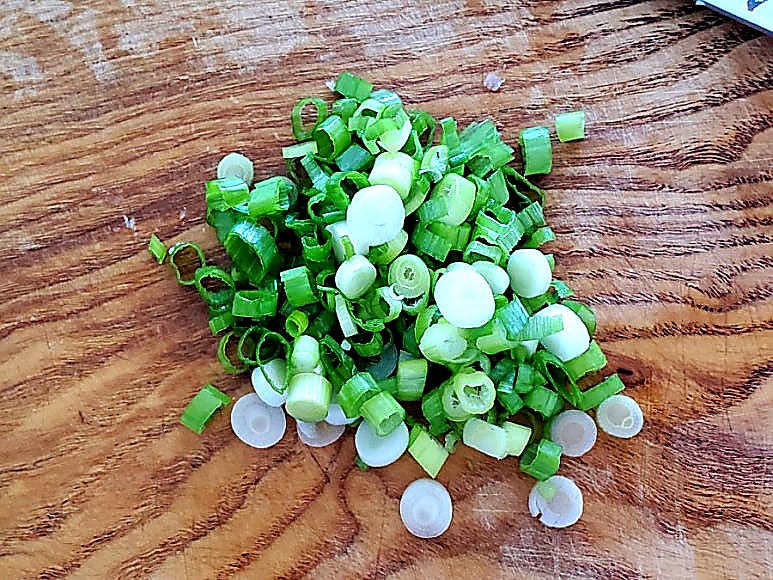
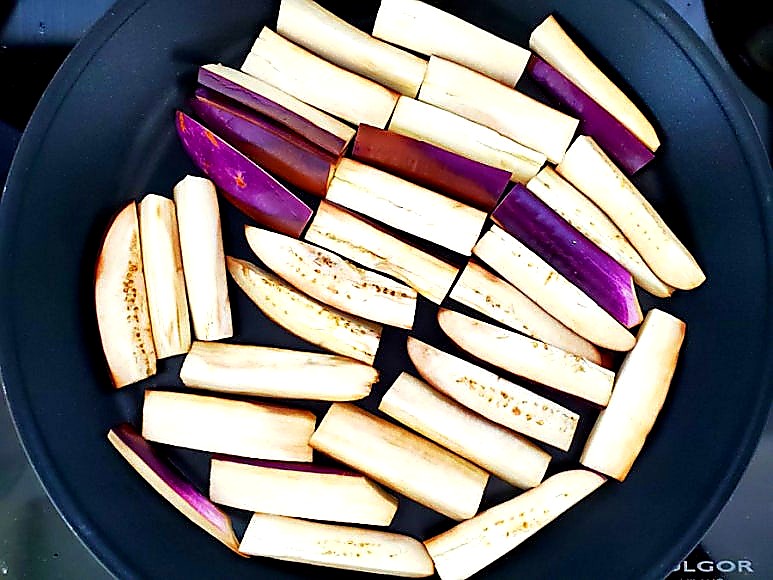
Process 03: Steam Setup - Laying the eggplant pillars in a steamer basket, skin-side down, over boiling water.
Process 04: The Doenjang Glaze - Mixing traditional fermented soybean paste, garlic, soy sauce, and scallions into a smooth glaze.
Science of Taste: Cellular Sponge Absorption
“The secret lies in the ‘Cellular Sponge Effect’. Raw eggplant is composed of tiny air-filled pockets, acting like a hydrophobic sponge. If tossed directly into hot oil, it drinks the oil immediately, turning greasy. By scoring the skin to allow steam penetration, and steaming it gently, the water vapor collapses the air pockets, softening the flesh. When Doenjang glaze—rich in fermented glutamates—is poured over the steamed eggplant, the collapsed cells drink up the sauce immediately like a sponge, locking in intense flavor without any greasy residue.”
By preventing oil saturation, we keep the eggplant clean. The deep scoring allows the steam to penetrate the waxy outer skin, immediately breaking down the plant hemicellulose. This turns the structural flesh into a soft, velvety netting that instantly locks in the Doenjang glaze.
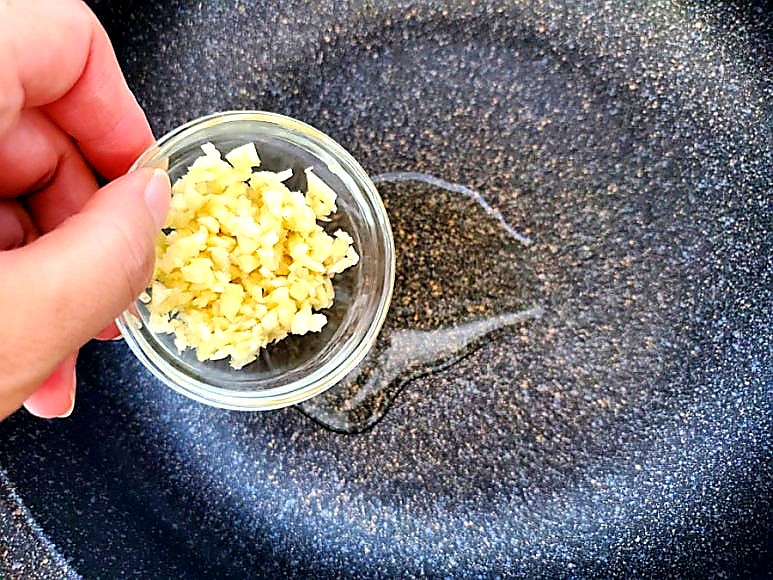
Process 05: The Glaze Pour - Drizzling the rich Doenjang mixture over the perfectly steamed, tender eggplant pillars.
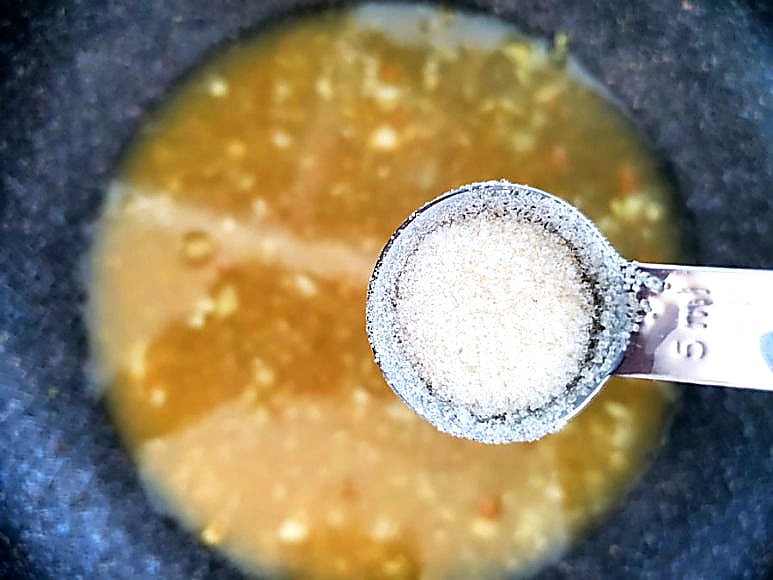
Process 06: Brief Simmer - Braising the glazed eggplants for a final 3 minutes to allow deep cellular flavor absorption.
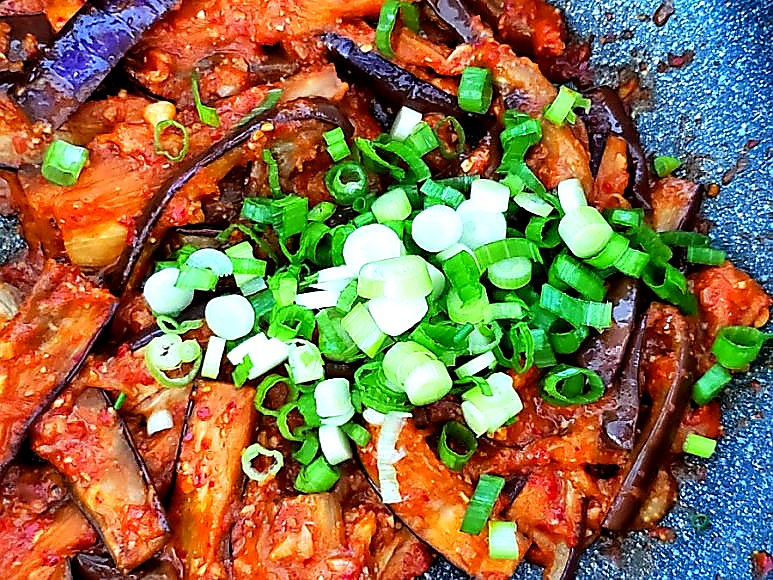
The Finale: The Tender Purple — Velvety Eggplant Pillars Glazed in Glistening Doenjang
Ready to Steam?
Discover the exact scoring depth, the steaming seconds, and the traditional Doenjang glaze ratios to create these velvety purple pillars.
Get the Recipe →