Lamesa Kitchen
May 17, 2026
“Tearing and cutting wheat sheets into a boiling crucible of ocean minerals. A theater of high flames, smoke, and chew.”
The Soul: The Fiery Broth
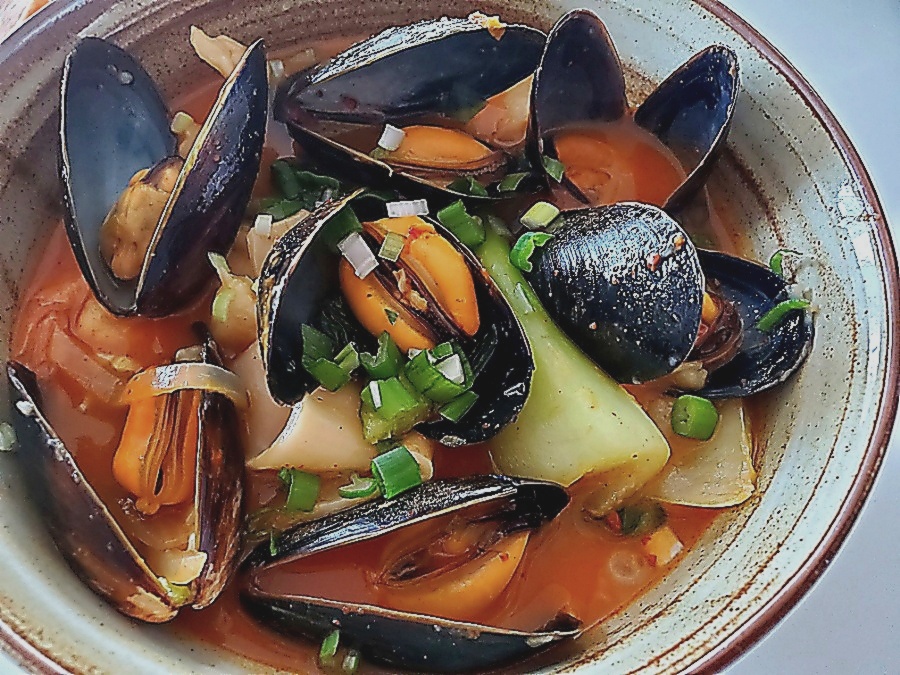
“Kaljebi Jjamppong is a spectacular theatrical performance in a bowl. It brings together the rustic, comforting textures of handmade knife-cut noodles (kal-guksu) and torn dough flakes (sujebi) with the intense, smoky, and fiery seafood broth of Chinese-Korean Jjamppong. Wok-fired pork, squid, and vibrant botanicals create a rich, deep red broth filled with smoky ‘Wok Hei’ aroma, setting a bold backdrop for the smooth, perfectly chewy flour noodles.”
The power of this bowl lies in the juxtaposition of textures. Kalguksu provides an elegant, sliding ribbon-like flow, whereas Sujebi offers rustic, thick chunks that catch pockets of broth. Together in a raging soup, they present an exceptionally dynamic mouthfeel.
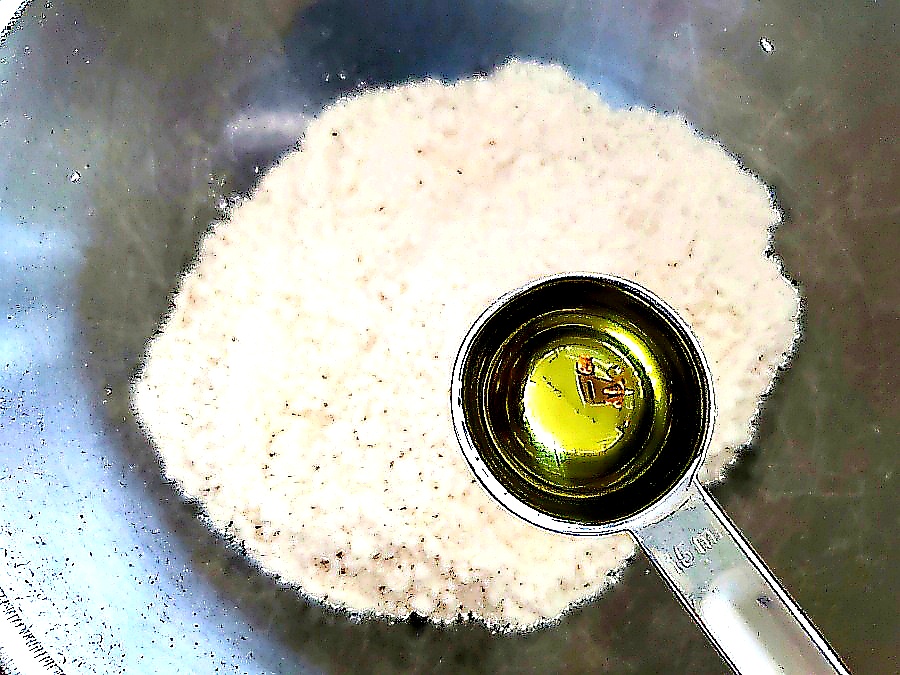
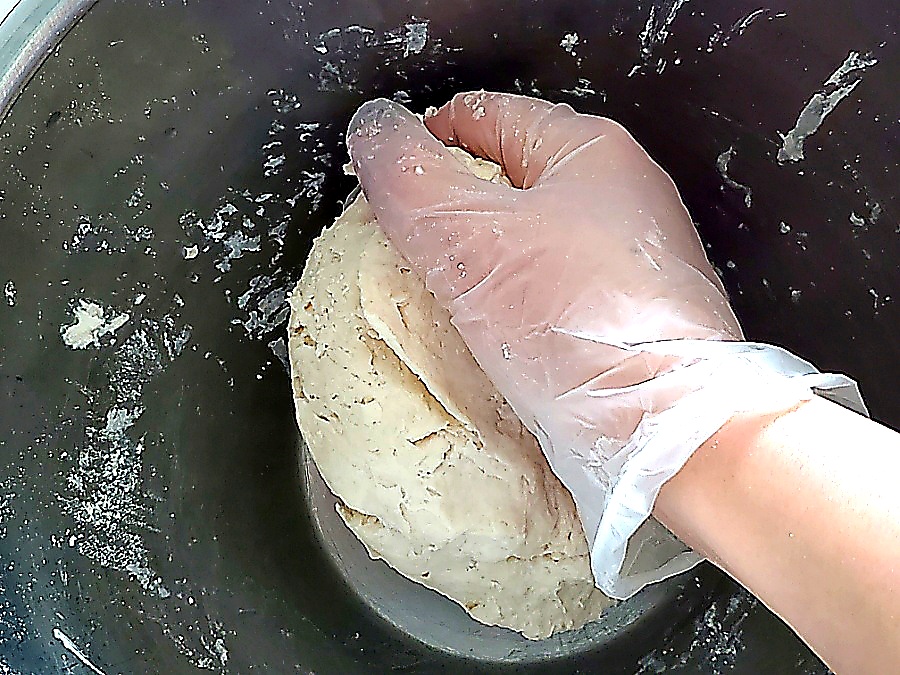
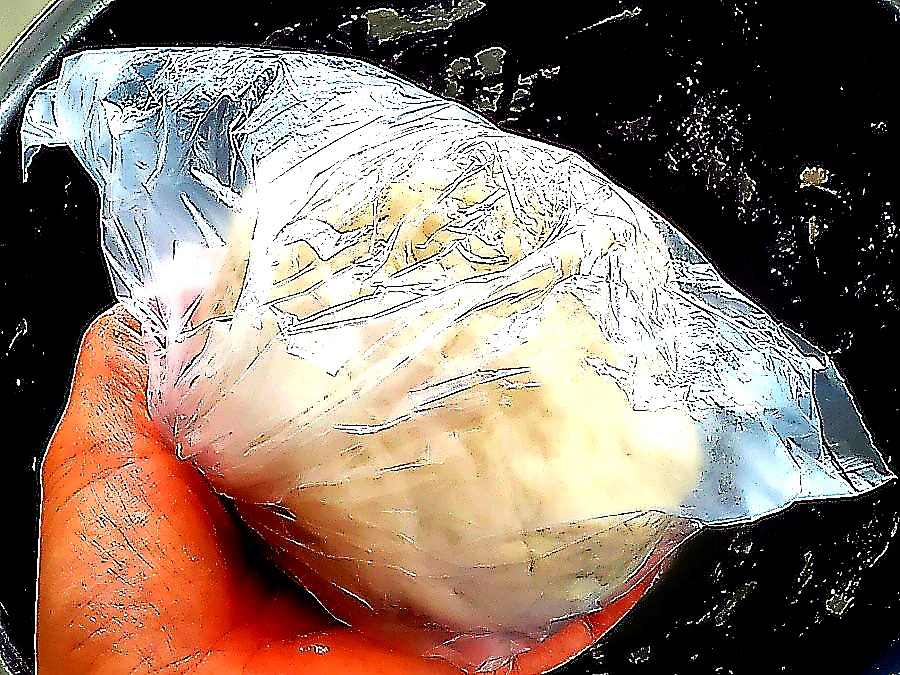
Process 01: Dough Kneading - Kneading wheat flour, water, and salt into a smooth, elastic dough ball.
Process 02: Knife-Cutting - Rolling the rested dough thin, folding it, and slicing it into clean, uniform noodle ribbons.
Cultural Heritage: A Diaspora Culinary Synergy
“Traditionally, Kal-guksu and Sujebi were symbols of humble, rustic home cooking—simple wheat flour doughs rolled out by hand and cooked in comforting anchovy broth. Jjamppong, on the other hand, evolved through the Chinese-Korean culinary diaspora in port cities. Merging these two traditions into a single bowl represents the robust, dynamic, and ever-evolving nature of modern Korean comfort food, offering pure satisfaction on rainy days.”
In postwar Incheon and Busan, cheap wheat flour aid combined with abundant local seafood. Food vendors began adapting wok-searing techniques to make comforting, budget-friendly noodle soups. Today, this hybrid dish represents modern Korean resilience and urban innovation.
Process 03: High Sauté - Wok-searing pork, garlic, onions, and cabbage with oil to develop a deep caramelized aroma.
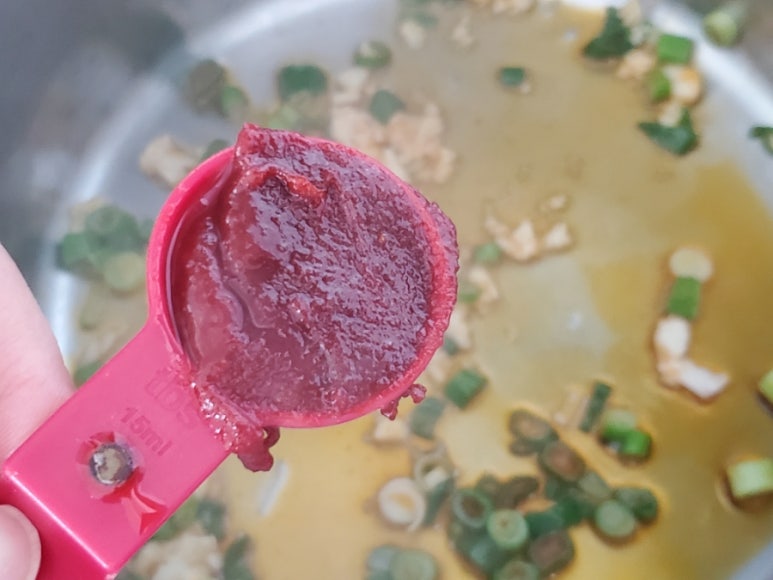
Process 04: Chili Bloom - Stir-frying the red Gochugaru flakes in oil to bloom the vibrant, smoky red chili oil base.
Science of Taste: The Starch Thicken-Sauté
“The secret to the velvety broth lies in the ‘Starch Thicken-Sauté’. Boiling the hand-dusted wheat noodles directly in the seafood broth releases surface flour starches into the soup. This flour starch gelatinizes, naturally thickening the broth from a watery liquid into a rich, velvety soup that clings beautifully to the noodles. Furthermore, pan-searing the pork and squid at high heat first caramelizes their proteins, enriching the broth with deep Maillard compounds and smokiness.”
The wok-searing develops rich sulfurous compounds from the cabbage and garlic, mimicking the coveted wood-fire smoke (Wok Hei). When the raw wheat starch dissolves into this seasoned stock, it forms an emulsion that suspends the red capsaicin oils evenly throughout the soup, keeping it fiery and uniform.
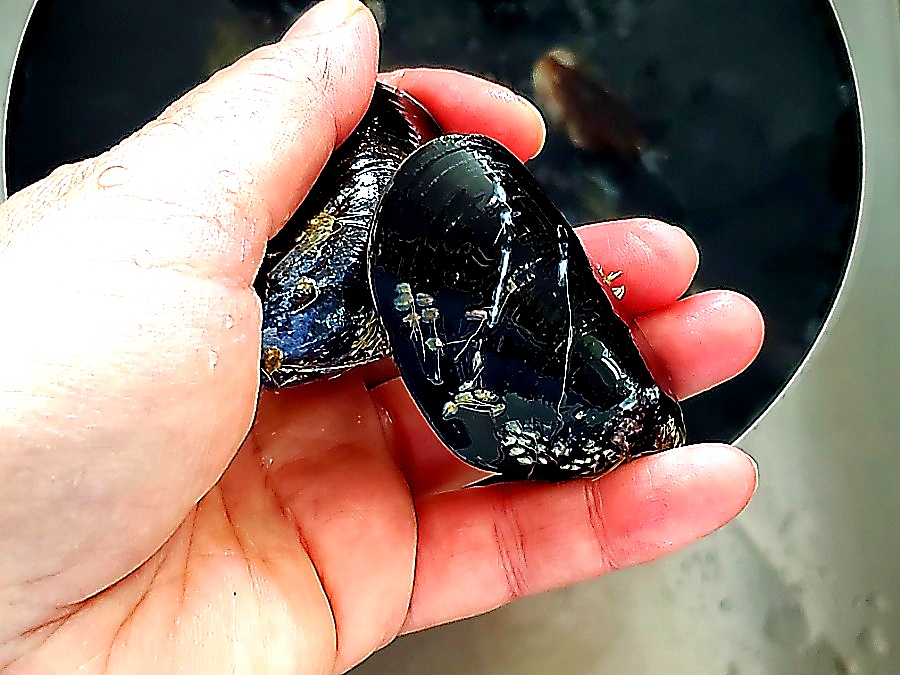
Process 05: The Seafood Simmer - Adding the stock, fresh scored squid, and mussels, bringing the rich soup to a rolling boil.
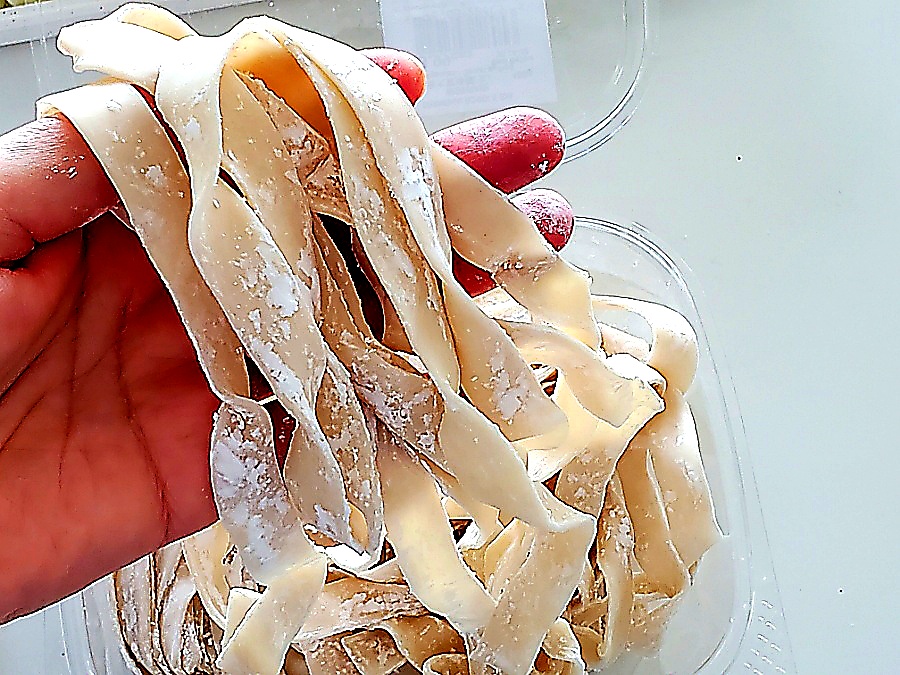
Process 06: Velvety Boiling - Sliding the hand-dusted noodles directly into the boiling seafood broth to release starch and naturally thicken the soup.
The Finale: The Fiery Broth — A Dramatic Bowl of Smoky Jjamppong Loaded with Chewy Noodles and Squid
Ready for the Flames?
Discover the exact ratios for the high-gluten hand dough, the Gochugaru blooming seconds, and the seafood simmer times for a smoky, professional result.
Get the Recipe →