
Lamesa Kitchen
May 15, 2026
“There is a unique beauty in an empty refrigerator. It is not a sign of lack, but an invitation to innovate.”
It was one of those days where the grocery store felt a world away. I opened the fridge to find the remnants of the week: a half-head of cabbage, a lonely bag of rice cakes, and a pack of chicken thighs I'd forgotten in the freezer. In Korea, we call this “Naeng-Pa” — the challenge of creating a feast from whatever is left.
This Oven-Baked Cheese Dak Galbi is the result of that challenge. It is fiery, rich, and deeply satisfying — a dish that turns a quiet Thursday night into a celebration.
The Preparation
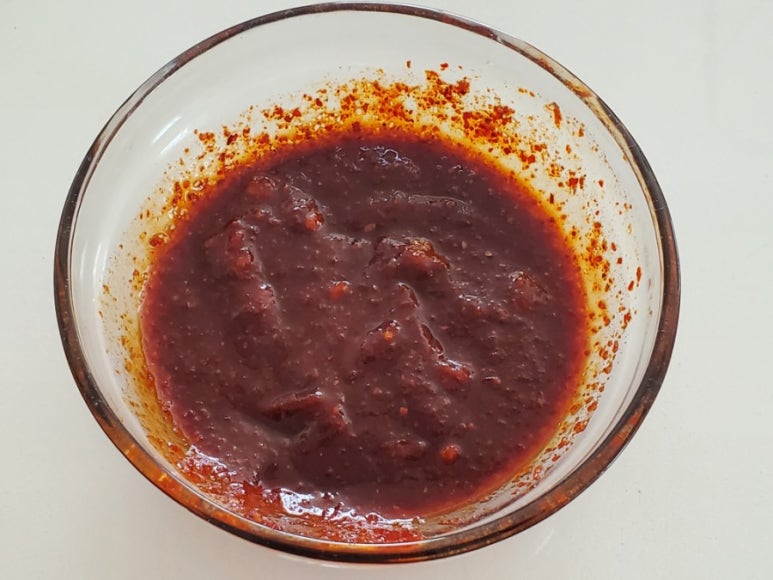
Every great dish begins with the sauce. Our spicy glaze is a careful balance of Gochujang (red pepper paste), Gochugaru (red pepper flakes), and a hit of oyster sauce for that secret depth. Ginger juice is essential here — it brightens the sauce and prepares the palate for the heat.
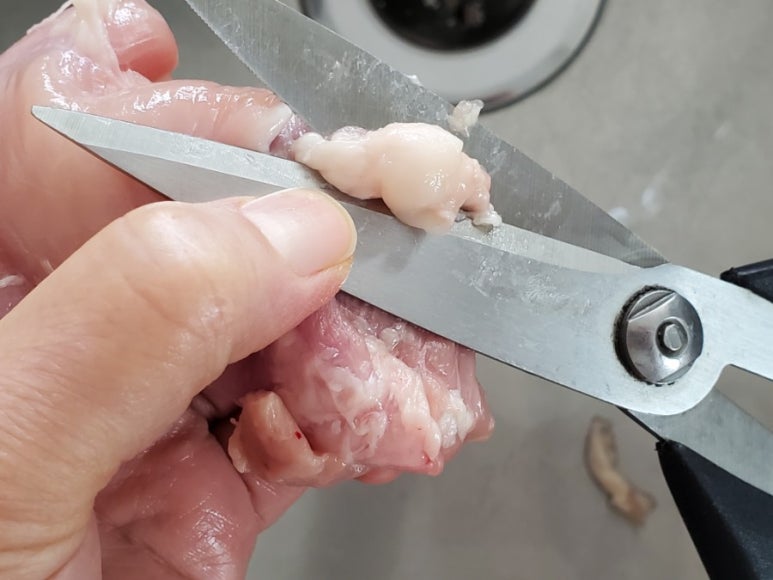
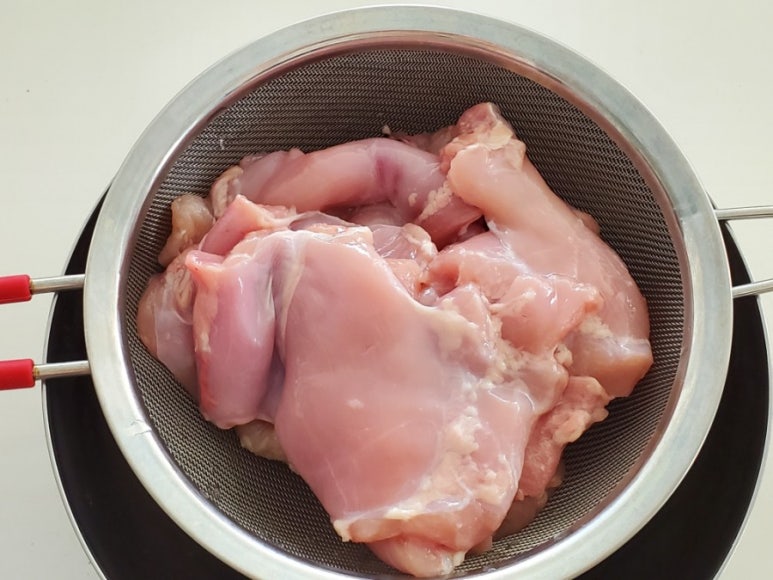
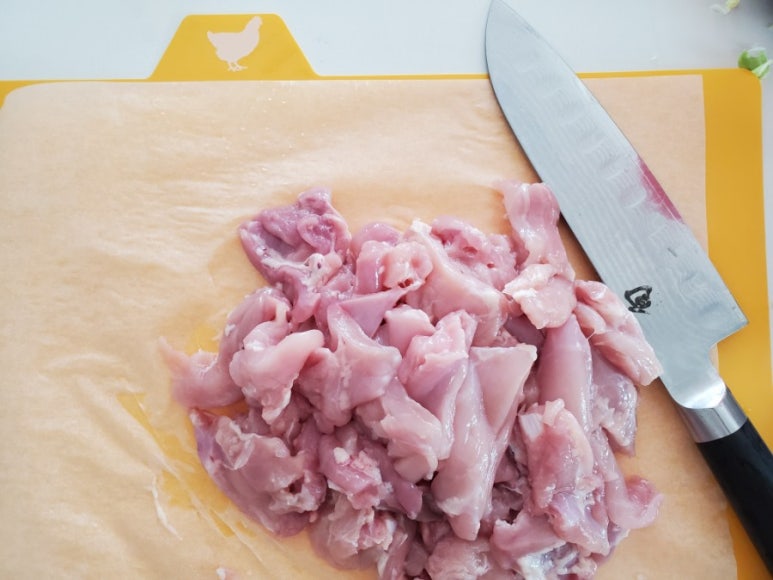
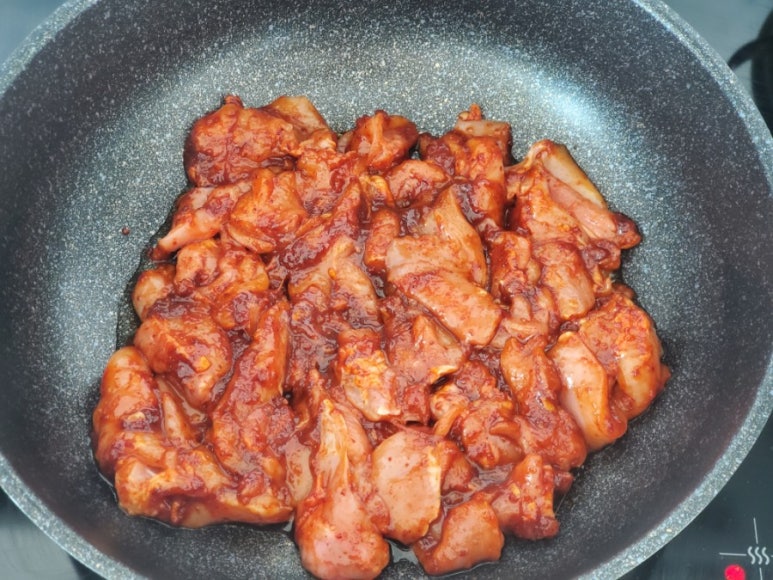
The chicken requires respect. I wash the thighs thoroughly, remove any excess fat, and pat them dry. They are then sliced into generous 4-5cm pieces. Then comes the most critical part of the entire process: The Massage.
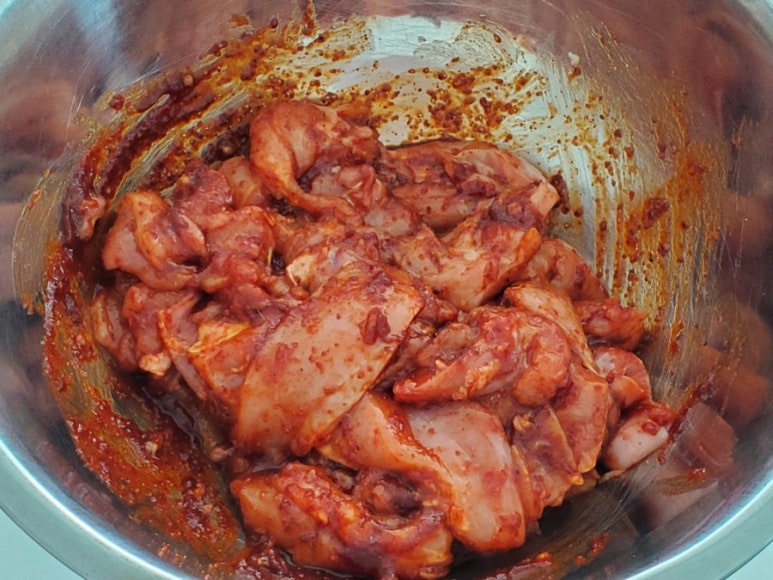
You must use your hands to work the marinade into the meat. For at least five minutes, I massage the spicy crimson paste into every fiber of the chicken. This ensures that the flavor doesn't just sit on the surface but truly lives inside the meat.
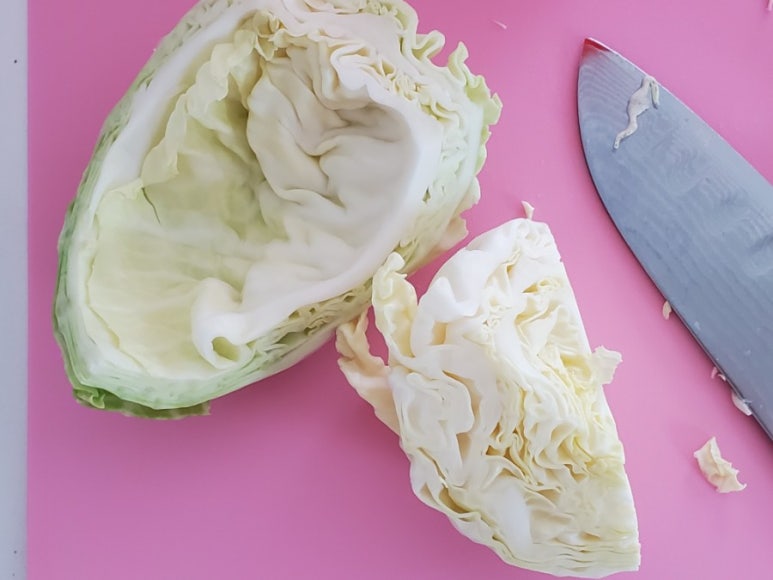
The Vegetable Symphony
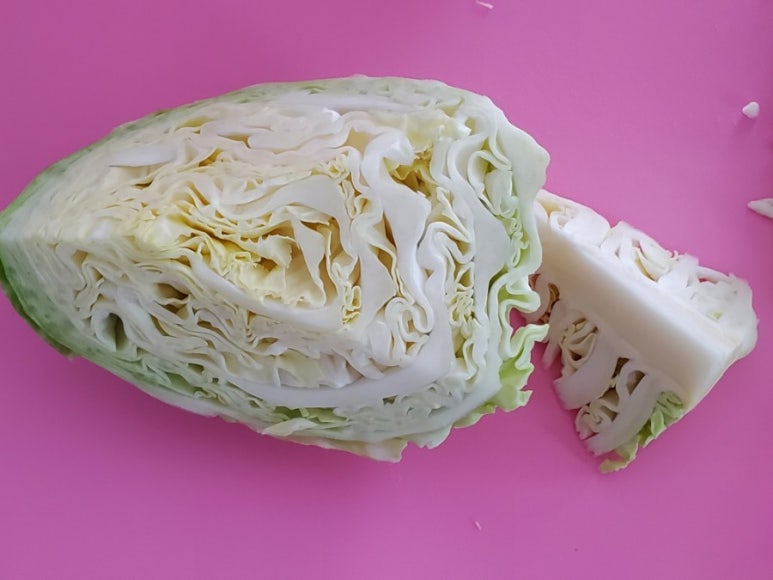
While the chicken rests in its spicy bath, I prepare the vegetables. Cabbage is the star here, providing a necessary sweetness and crunch. I separate the tough outer leaves from the tender inner ones, chopping them with intention. Along with onions and sharp Cheongyang chilies, they create the aromatics that will carry the dish.
The Foil Secret
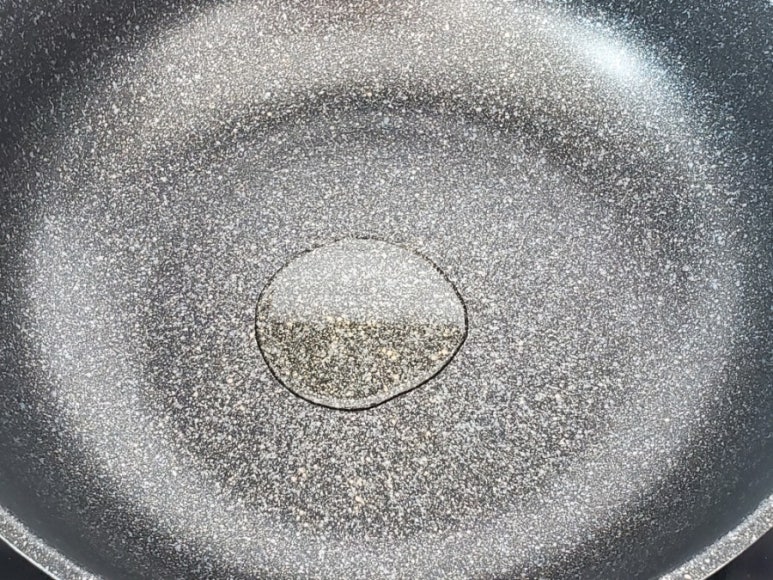
When it's time to cook, I use a specific “steam-searing” technique. I heat a little oil in a wide pan, add the marinated chicken, and then cover the pan with foil. This traps the intense heat and moisture, allowing the chicken to cook through perfectly while staying incredibly succulent.
When the chicken is halfway done, the rice cakes (tteokguk-tteok) go in. They act as little sponges, absorbing the spicy juices released by the chicken.
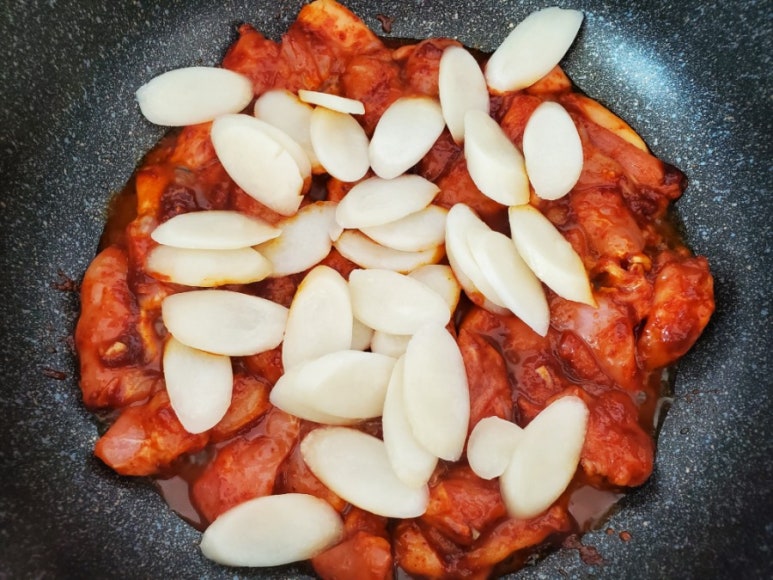
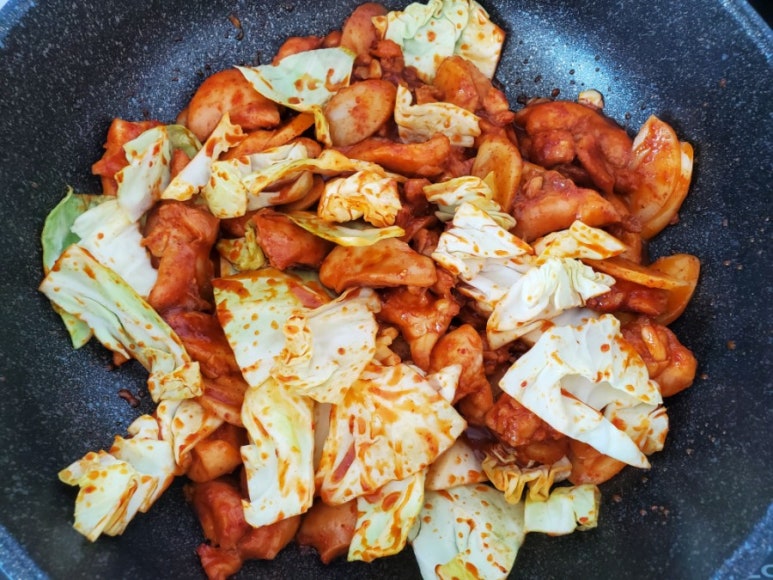
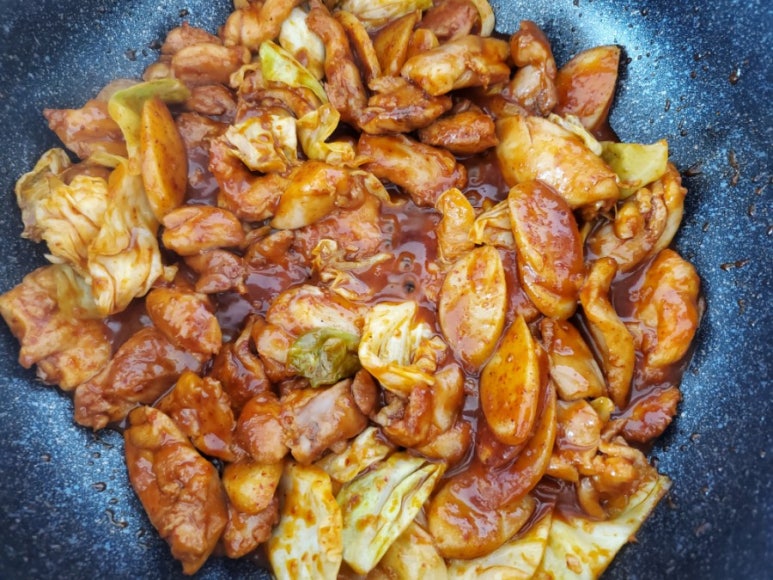
Finally, the cabbage goes in. We stir-fry everything on high heat until the cabbage wilts slightly and the sauce reduces into a thick, glossy red glaze that coats every single ingredient.
The Oven Metamorphosis
The final transformation happens in the oven. I transfer the stir-fry to a ceramic baking dish, add sliced chilies for an extra kick, and cover it with a mountain of Mozzarella cheese. Ten minutes under a 200°C broiler turns that white snow into a bubbling, golden crust.
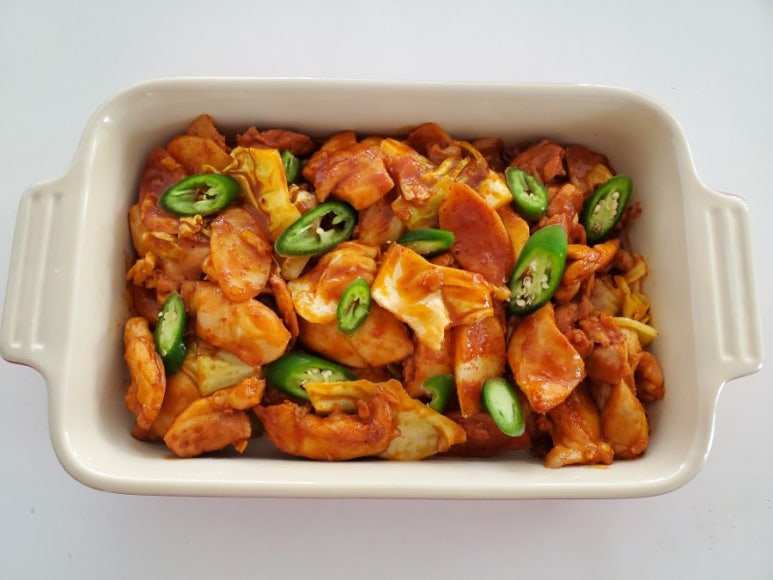
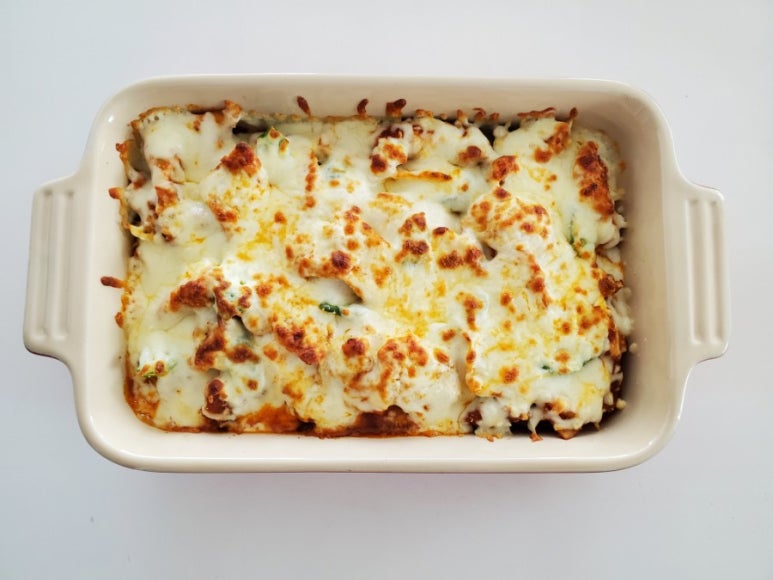
The secret is in the sauce — a balanced mix of gochujang, red pepper powder, soy sauce, and a touch of curry powder for depth. We combine this with fresh chicken thighs and let them marinate until every fiber is infused with flavor.
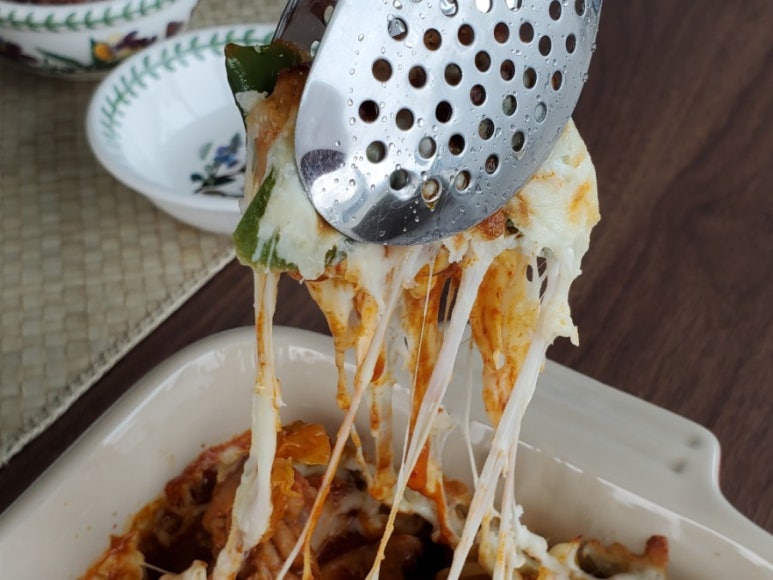
The result is nothing short of a masterpiece. The spicy, smoky chicken is perfectly balanced by the rich, creamy melt of the cheese. Every bite offers a different texture — the chew of the rice cake, the sweetness of the cabbage, and the fiery tenderness of the chicken.
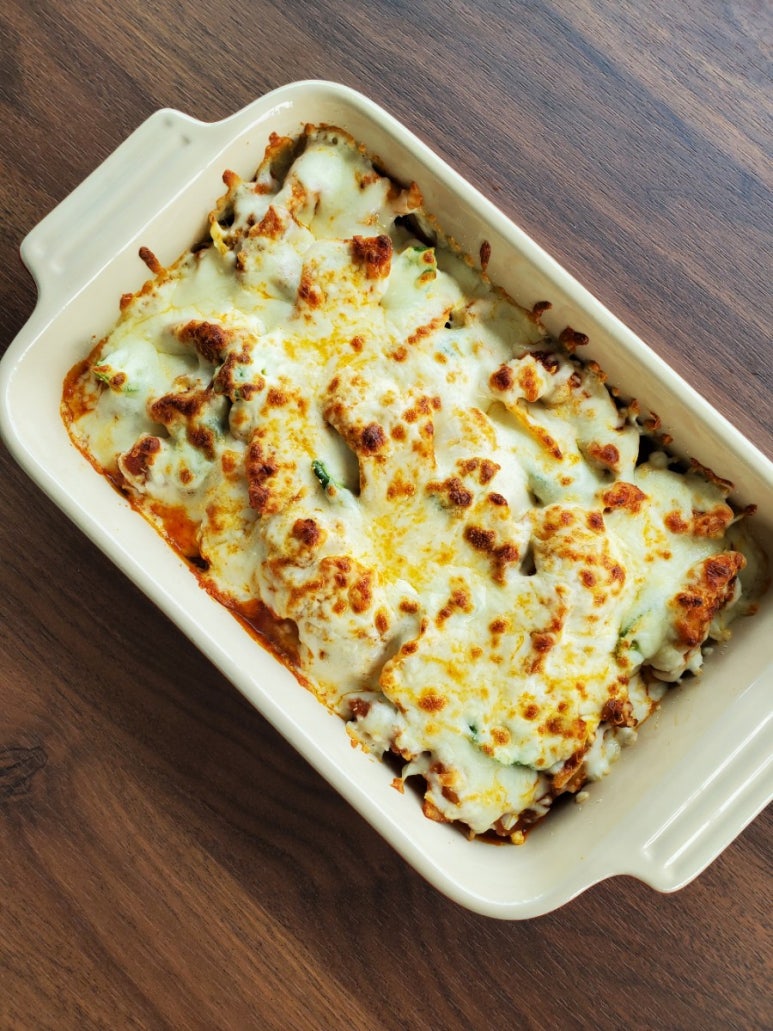
As I pulled the first stretch of cheese from the pan, I realized that cooking is never truly about the ingredients you have. It is about the love you put into the process. My fridge was empty, but our hearts were full.
Ready to transform your table?
We have prepared the complete recipe with exact measurements, secret techniques, and professional tips to help you master this Korean classic.
Go to Full Recipe →