
Lamesa Kitchen
May 14, 2026
“As the weather turns cold and the first breath of winter arrives, we crave dishes that warm us from the inside out. Spicy, savory, and deeply comforting.”
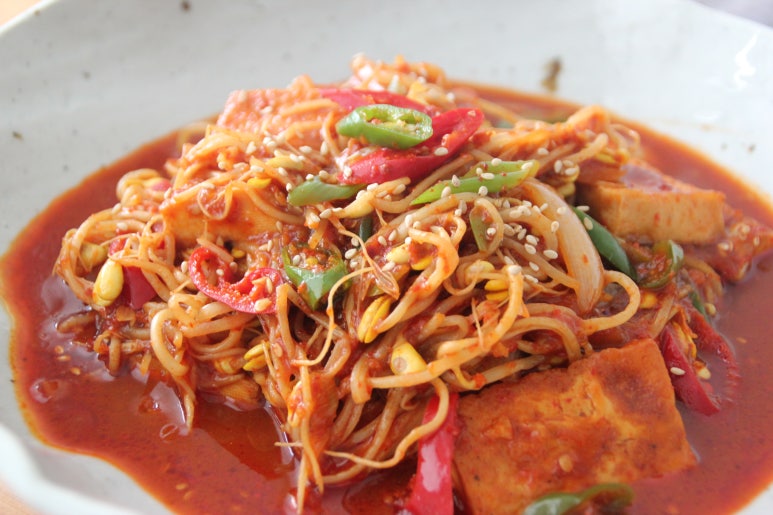
Today, I want to share a recipe made from what we call “modest ingredients” — items that are almost always in your pantry or easily found at the local market. This is Kongnamul Dubu Jjim, a dish so legendary for its ability to disappear alongside bowls of rice that we call it a Bap-Doduk (Rice Thief).
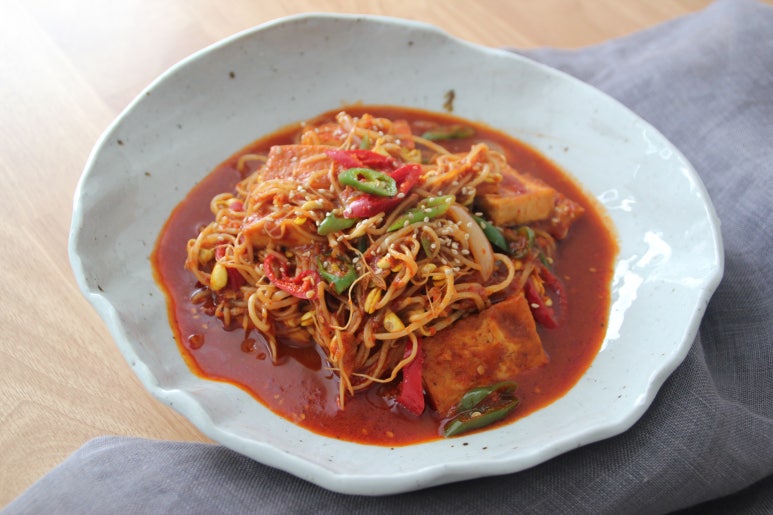
The magic starts with the ingredients. We use soybean sprouts (kongnamul) for that signature crunch and a block of firm tofu for a protein-rich base. But the real transformation happens through a series of intentional steps that elevate these humble components.
Step 1: The Foundation of Texture
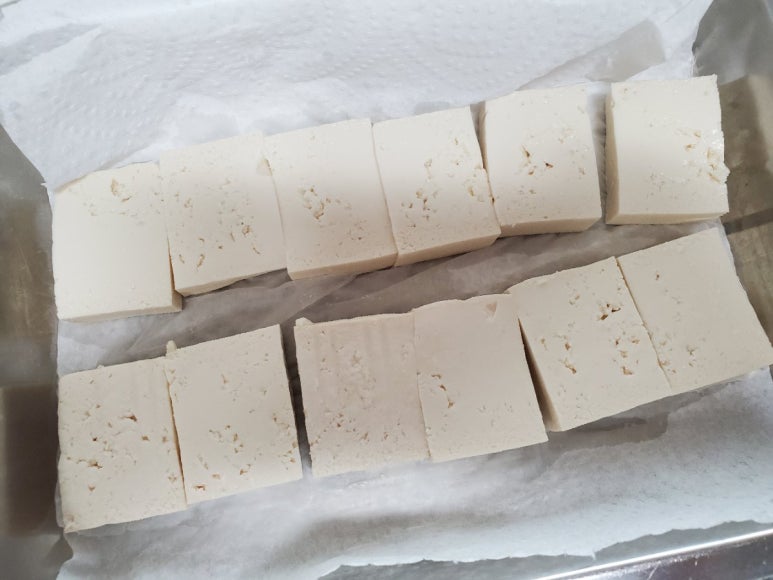
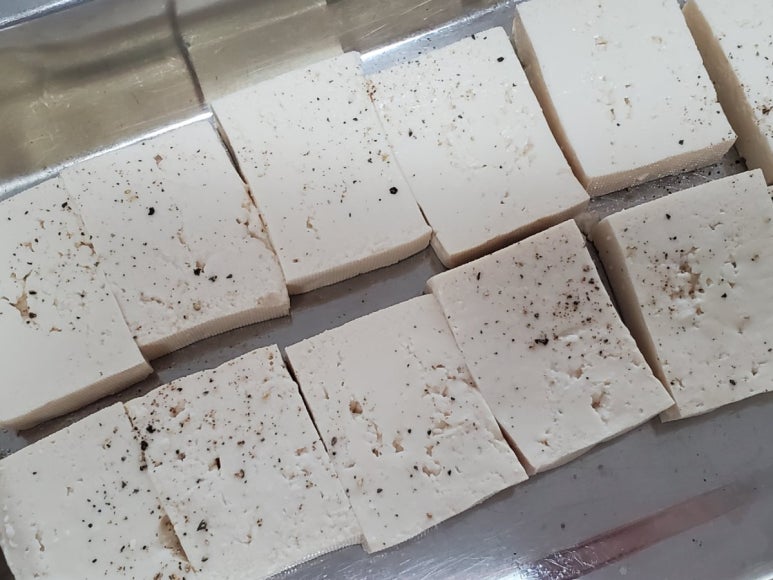
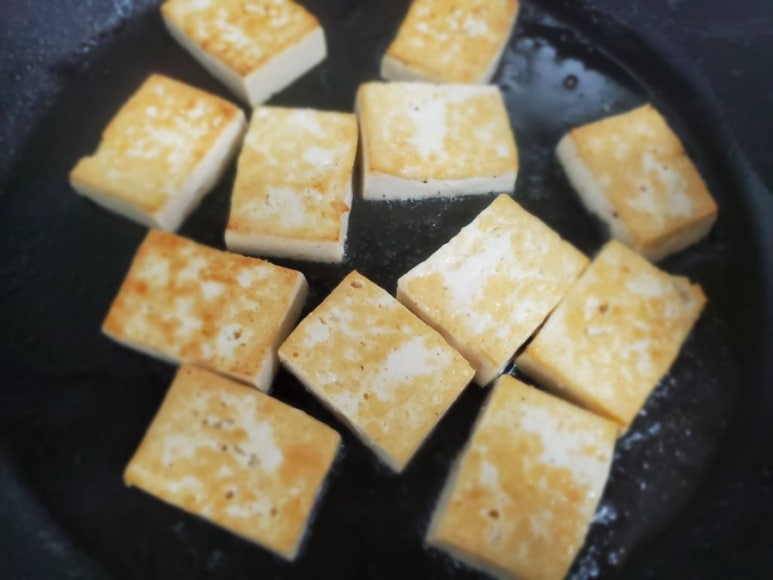
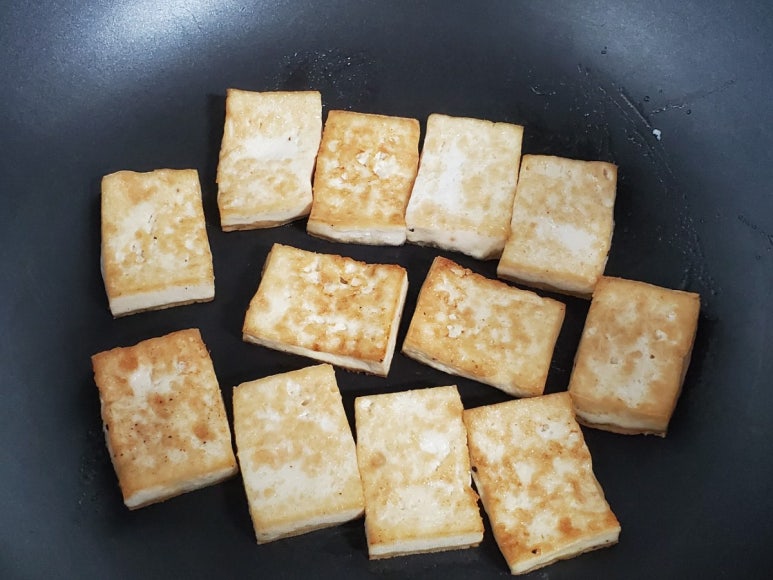
The first secret is in the tofu. If you simply braise raw tofu, it becomes too soft and easily breaks apart. To achieve a professional finish, we must pan-fry the tofu first.
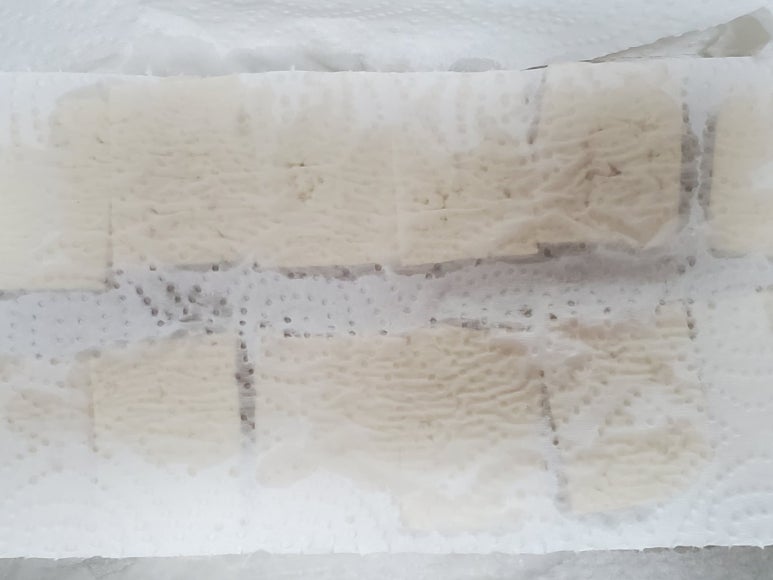
I slice the tofu into thick, even squares and pat them dry with kitchen towels. A light dusting of salt and pepper doesn't just season them; the salt actually draws out moisture, helping the tofu become firm and resilient.
Step 2: The Spicy Soul
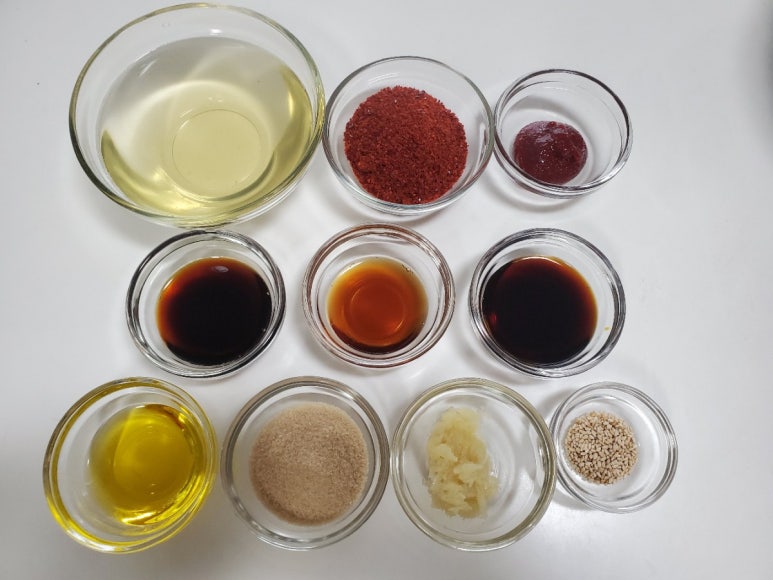
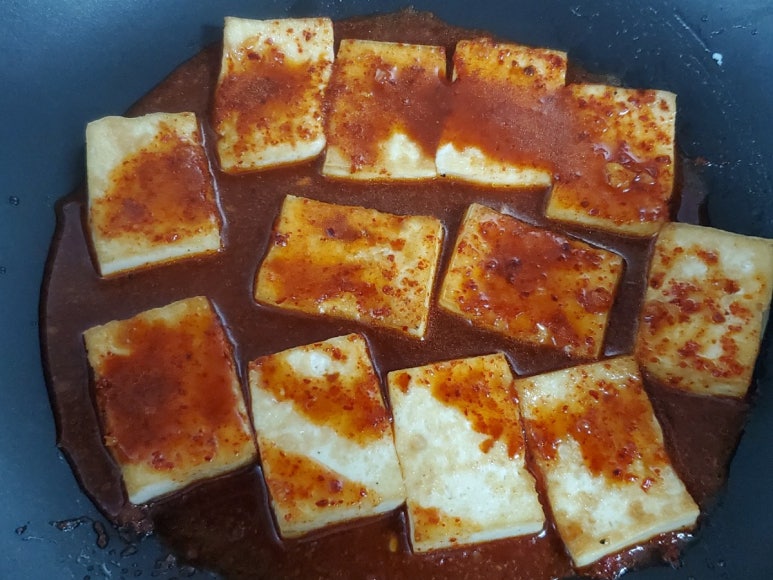
While the tofu is sizzling, we prepare the sauce. This is a complex mixture of Gochugaru (red pepper flakes), soy sauce, and a touch of fish sauce for deep umami. A teaspoon of ginger juice is my personal secret — it provides a clean, sharp finish that balances the heat.
Step 3: The 5-Minute Secret
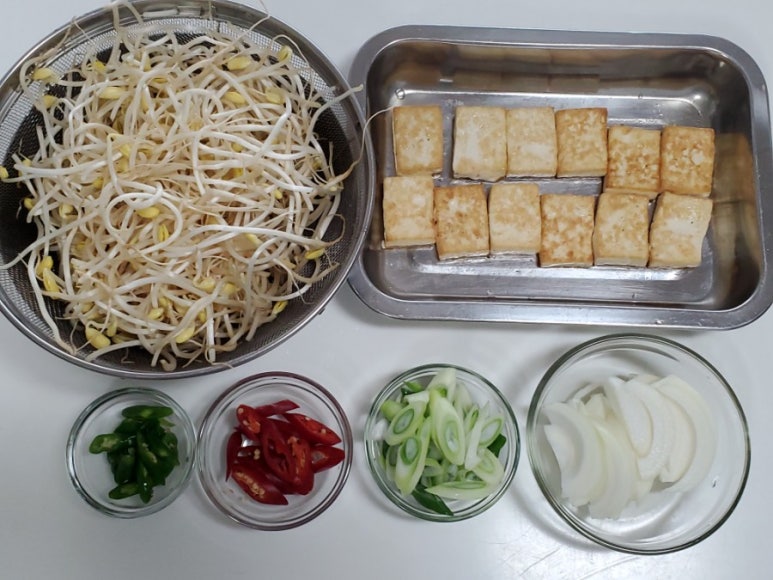
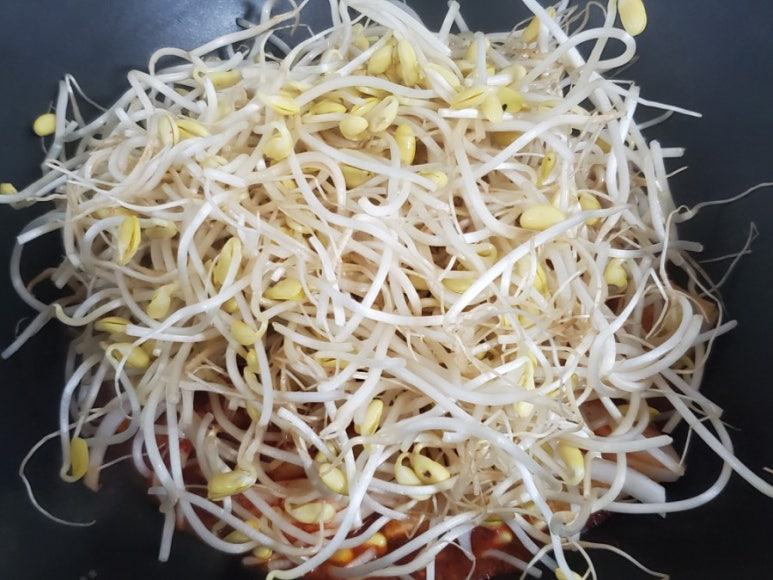
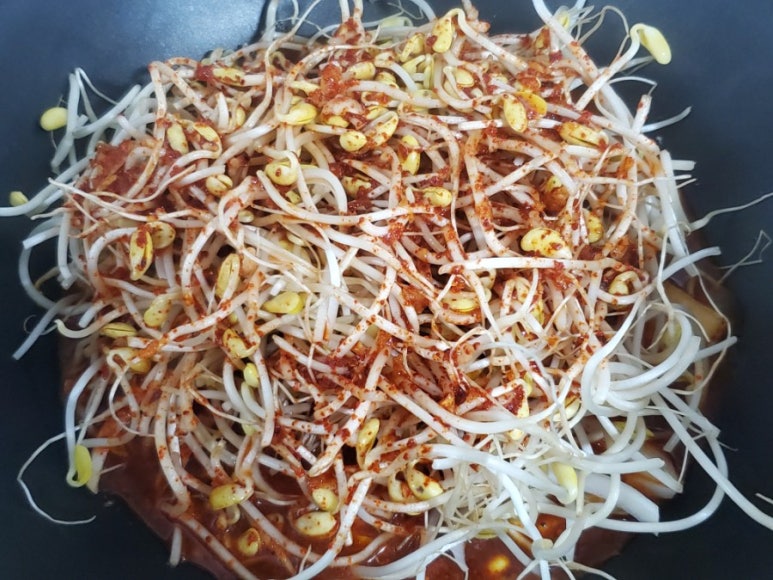
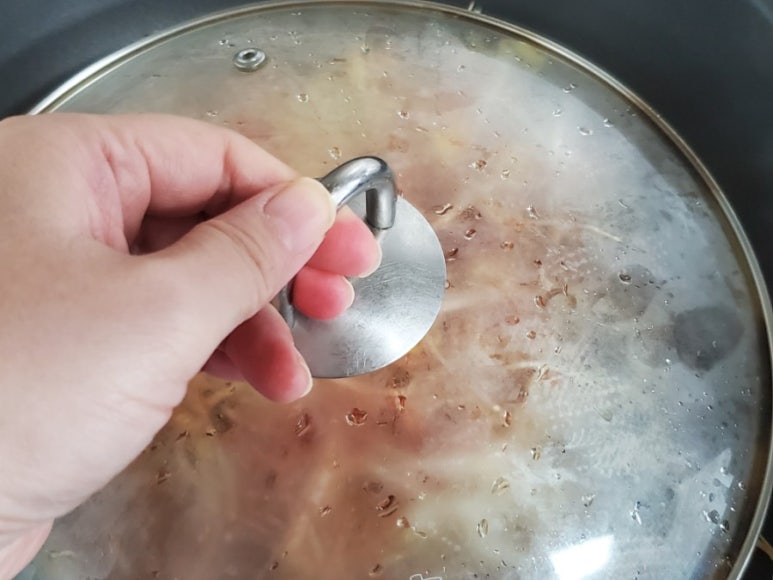
The construction of the dish is a layered process. We start with the golden tofu at the bottom, layering onions and the fresh soybean sprouts on top. We pour our rich sauce over the mountain of sprouts and then — close the lid.
We cook it on medium-high for exactly five minutes. Do not open the lid!If you peek too early, the sprouts won't steam correctly, and they might develop a raw, bean-like smell. Let the steam do the work of wilting the sprouts while their juices infuse the tofu below.
Step 4: The Velvety Finish
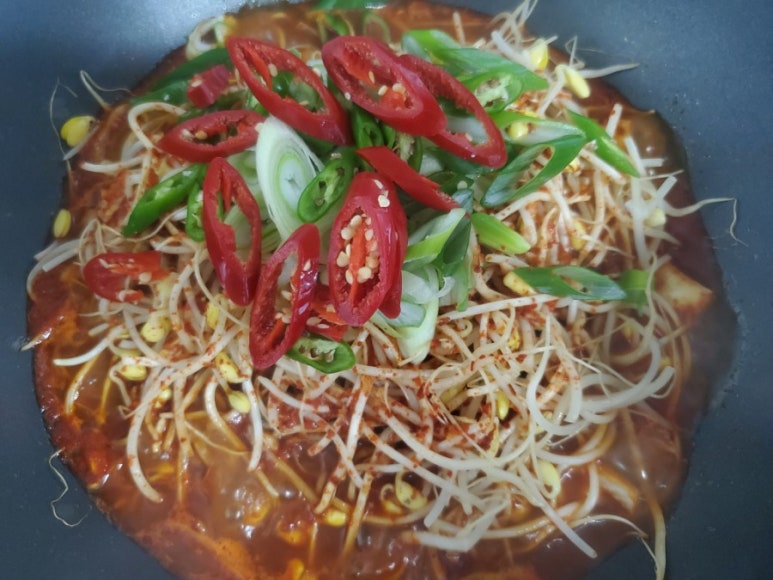
When we finally open the lid, the aroma is incredible. We add our sliced chilies and green onions for extra punch. Then, we add a simple starch slurry. This is the professional touch that turns the thin juices into a thick, velvety glaze that clings to every single ingredient.
We finish with a generous drizzle of perilla oil and a sprinkle of toasted sesame seeds. The result is a masterpiece of textures: the soft, sauce-soaked tofu against the crisp, spicy sprouts.
I love how such modest ingredients can create something so grand. My family finished their rice in record time, and there wasn't a drop of sauce left in the pan. The Rice Thief strikes again!
Ready to Cook?
We have compiled the complete recipe with exact measurements and the specific timing secrets to help you master this Korean classic.
Get the Recipe →